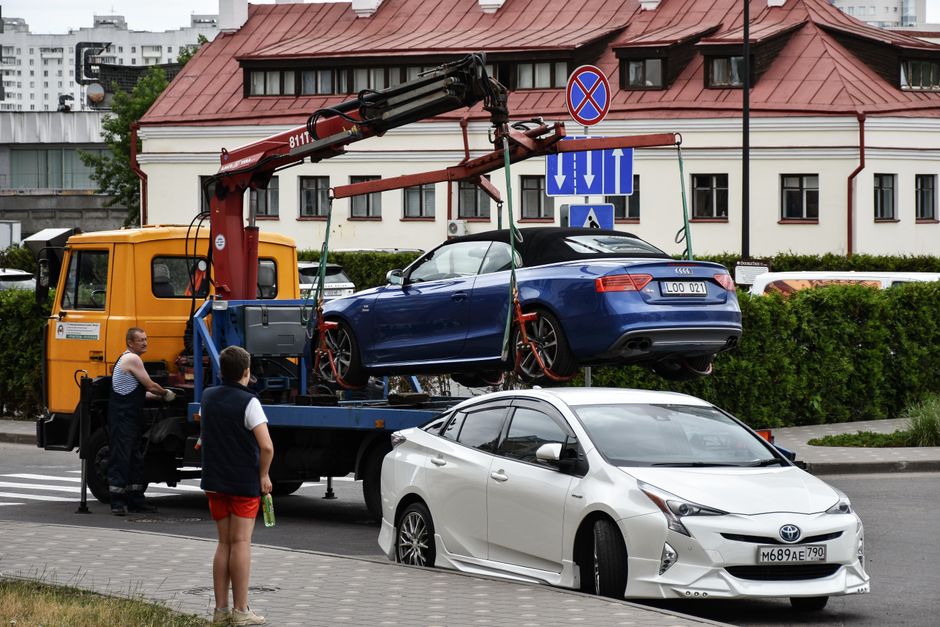
What you pay for a tow in Vancouver depends on who is towing you and why. A City-ordered impound follows the City's regulated rate schedule, while a private call for a breakdown or accident is quoted by the company before it hooks up. You can get a clear price before the truck arrives, and the City's published rates are the best public benchmark for what a tow actually costs in 2026.
Table of Contents
- What does a tow truck cost in Vancouver, BC?
- Why was my car towed in Vancouver, and who actually has it?
- Can I get my car released before it's towed away?
- How do private towing companies in Vancouver compare on price and arrival time?
- What should I ask before I let a tow truck hook up my vehicle?
- Does a tow cost more if my car is in an underground garage or a private lot?
- What happens after an accident tow in Vancouver — and who pays?
- Key Takeaways
- References
What does a tow truck cost in Vancouver, BC?
The City of Vancouver publishes regulated base tow fees by vehicle weight. A regular-sized car, pickup, or van with a gross vehicle weight of 2,999 kg or less has a base tow fee of $82.18, according to the City of Vancouver. Medium-sized trucks and trailers between 3,000 and 6,300 kg cost $86.78. Large trucks and trailers between 6,301 and 9,072 kg cost $137.58. Heavy trucks and trailers at 9,073 kg or more cost $182.98.
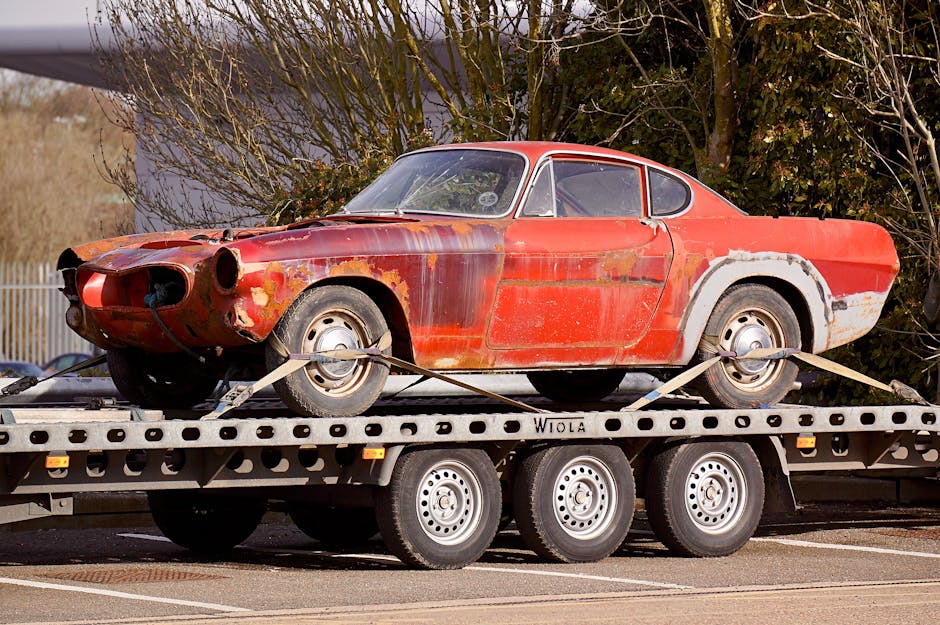
On top of the base fee, a regular-sized car carries a fuel surcharge of $22.19 for the first 6 km, then $0.65 per km after that. A distance surcharge of $2.48 per km applies to any tow of 6 km or more. These fees are collected by the towing company and do not include taxes. Parking violation tickets are charged separately by the City.
City Council updated towing rates in November 2024 to align with ICBC rates and fuel surcharges, effective January 1, 2025. That means the numbers above are the current benchmark for City-ordered tows in 2026.
Why was my car towed in Vancouver, and who actually has it?
The City of Vancouver contracts Busters Towing to tow and impound vehicles from city streets and parks, according to the City of Vancouver. If your car was removed by the City, it is likely at the City Impound Yard at 425 Industrial Ave. That yard is open 24 hours a day, every day.
A separate Abandoned Vehicle Yard operates at 1150 E Kent Ave South. That location is open Monday to Friday, 8am to 4pm, excluding holidays. If your vehicle was classified as abandoned, that is where it may be held.
Busters Towing has served Vancouver since 1946 and describes itself as having the largest fleet of light, medium, and heavy-duty tow trucks in Western Canada, according to Busters Towing. Busters is also a member of the ARA and committed to their Code of Ethics.
Can I get my car released before it’s towed away?
Yes, if a vehicle is in the process of being towed, the owner can request release. A release or unhooking fee still applies even if the tow is stopped, according to the City of Vancouver. The exact release fee amount is not published in the City schedule, so you need to confirm it on the spot.
All tow-truck drivers are required to carry a list of fees and show it to the vehicle owner upon request. Ask for that list before you agree to anything. The driver must show it to you, and it is the fastest way to see what you are being charged and why.
How do private towing companies in Vancouver compare on price and arrival time?
Private towing companies quote their own rates, so the City schedule is a benchmark rather than a cap on private calls. TTN Roadside has operated as a centralized roadside hub in BC since 2017. TTN Roadside advertises a 20-minute arrival guarantee, also stated as a 15 to 30-minute arrival service, and averages 30 minutes on scene. Their partnered tow companies are background-checked, ICBC-insured, and Class 3 tow truck operators.
Mundie's Towing has assisted the people of Vancouver for over 40 years and describes itself as one of BC's largest family-owned towing companies. Mundie's Towing is open 24 hours and offers flatbed towing for luxury cars, low-clearance vehicles, and damaged vehicles. They also offer underground towing to recover cars from underground parking garages.
Busters Towing's ARA membership and Code of Ethics commitment is a signal of accountability for City-ordered and private tows alike, according to Busters Towing.
What should I ask before I let a tow truck hook up my vehicle?
Get the price before the hook-up. Ask for the base fee, distance charges, fuel surcharge, and any after-hours or recovery add-ons. Tow-truck drivers in Vancouver are required to carry a fee list and show it to you on request, according to the City of Vancouver. If a driver will not show you the list, that is a red flag.
A flatbed matters for EVs, AWD vehicles, lowered cars, classics, and exotics. A flatbed keeps all four wheels off the ground, which means no drivetrain strain and no extra kilometres on the odometer. City Tow Truck provides flatbed towing for cars, SUVs, and everyday vehicles, with emergency and same-day towing, accident towing to your chosen shop or ICBC claim centre, EV and AWD towing, motorcycle towing, and luxury, exotic, lowered, and imported vehicle transport. Roadside help includes battery boosts, car lockouts, flat tire changes, and fuel delivery.
Confirm the drop-off destination up front. Whether it is your shop, your home, or an ICBC claim centre, the destination should be clear before the truck moves.
Does a tow cost more if my car is in an underground garage or a private lot?
Yes, underground and low-clearance recoveries are specialist work and are priced by the company, not the City schedule. Mundie's Towing offers underground towing to recover cars from underground parking garages, as an example of a company that handles this type of work, according to Mundie's Towing. Expect a higher quote for a garage recovery than for a standard street-level tow.
Tows from commercial parking lots and private property are arranged by the property owner. Rates for those tows are not part of the City's published schedule, according to the City of Vancouver. Private-property tows can also involve storage charges. Ask where the vehicle is being taken and what storage costs per day before the tow begins.
What happens after an accident tow in Vancouver — and who pays?
Accident tows in Vancouver can go to your chosen shop or an ICBC claim centre. The City aligned its towing rates with ICBC rates and fuel surcharges as of January 1, 2025, according to the City of Vancouver. That alignment means the City schedule is a useful reference for what an accident tow should cost.
Towing fees do not include taxes, so budget for GST and PST on top of the quoted number. Keep the tow receipt and the fee list. Drivers are required to carry a fee list, and that document matters for any insurance or dispute process. If the vehicle is held at a private lot, storage fees accrue daily and are separate from the tow itself.
Key Takeaways
- The City of Vancouver's base tow fee for a regular car, pickup, or van under 2,999 kg is $82.18, not including taxes.
- A regular-sized car tow carries a $22.19 fuel surcharge for the first 6 km and $0.65 per km beyond that.
- A distance surcharge of $2.48 per km applies to any tow of 6 km or more.
- City Council updated towing rates in November 2024 to align with ICBC rates and fuel surcharges, effective January 1, 2025.
- The City Impound Yard at 425 Industrial Ave. is open 24 hours a day, and Busters Towing handles City-ordered tows.
- If your vehicle is mid-tow, you can request release but still owe a release or unhooking fee.
- Tow-truck drivers must carry a fee list and show it to you on request, so ask before you pay.